There’s no question that the malting barley market is tough right now, with fewer contracts and lower premiums. That makes growing a variety, such as Laureate, that is acceptable to all end users, a better option. If a grower doesn’t have a contract, Laureate will give the best chance of finding a buyer if the market improves. Suitable for brewing and distilling, it makes up nearly 60% of all maltsters’ purchases across England and Scotland.
At 102% of controls, Laureate has the highest yield on AHDB’s Recommended List of the three varieties fully approved for both brewing and malt distilling. Laureate has incredibly consistent yield performance (see chart) and a strong disease-resistance profile, with no major weaknesses.

Source: AHDB harvest results (2020-2025)
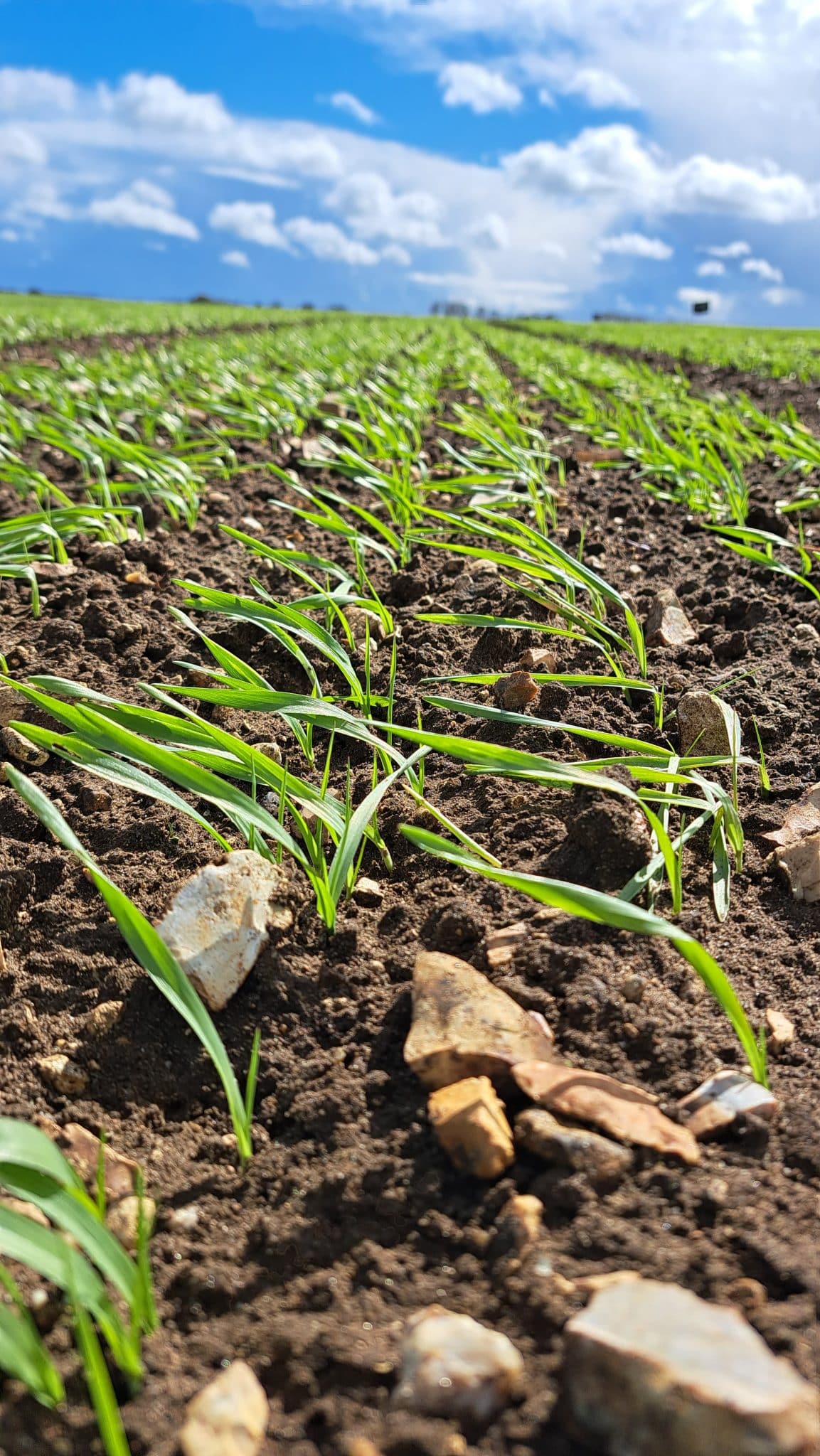
Good establishment = good yield potential
🌱 Speed and uniformity of emergence are crucial
- Uniformity simplifies every later decision, reducing in-season costs
- Aim for emergence within 7-10 days across the field
⏰ Drill when the soil is ready, rather than a calendar date.
- While it may take extra patience this year, target warming soils, ideally at least 6°C. That will help get roots down before soils dry out, securing yield.
- Drilling into cold, wet, plastic soils delays emergence and increases disease risk.
🌾 Target a final shoot number of 775/sqm
- Achieving a good plant population is particularly important for spring barley, with its shorter growing period restricting the ability to compensate for sub-optimal establishment, compared with winter crops.
- Predicting the correct seed rate will optimise plant establishment. The table below provides some guidance, but ultimately it will be the farmer and agronomist’s judgment to adjust based on seedbed quality, soil type, establishment method and date.

🚜 Consolidation improves emergence, rooting and weed control
- Roll wherever conditions allow
- Reduces slug activity, improves seed-to-soil contact, conserves moisture and evens herbicide performance
💡 Nitrogen strategy starts at establishment
- Check contracts as specifications vary:
- Malt distilling typically looks for grain nitrogen less than 1.65%
- UK brewing – up to 1.75%
- Export – up to 1.8%
- Grain distilling – usually 1.85% to 2.0%
- For barley on low nitrogen contracts, where a lower total N is required, our trials have shown no significant difference in yield or % grain nitrogen between applying 100% in the seedbed or in two splits, applied before GS15. Adhere to RB209 guidance and be aware of seedbed N application limits that can pose a higher N leaching risk.
- On UK domestic brewing contracts aiming for 1.6 to 1.75%, follow RB209 guidance on splits and timings. Two splits may increase grain N content in certain situations or seasons.
- Our trials show that increasing total N applied has the biggest impact on grain nitrogen when targeting high nitrogen contracts, but a later application can help to boost it.
Lean more about Laureate or contact your trusted seed merchant.