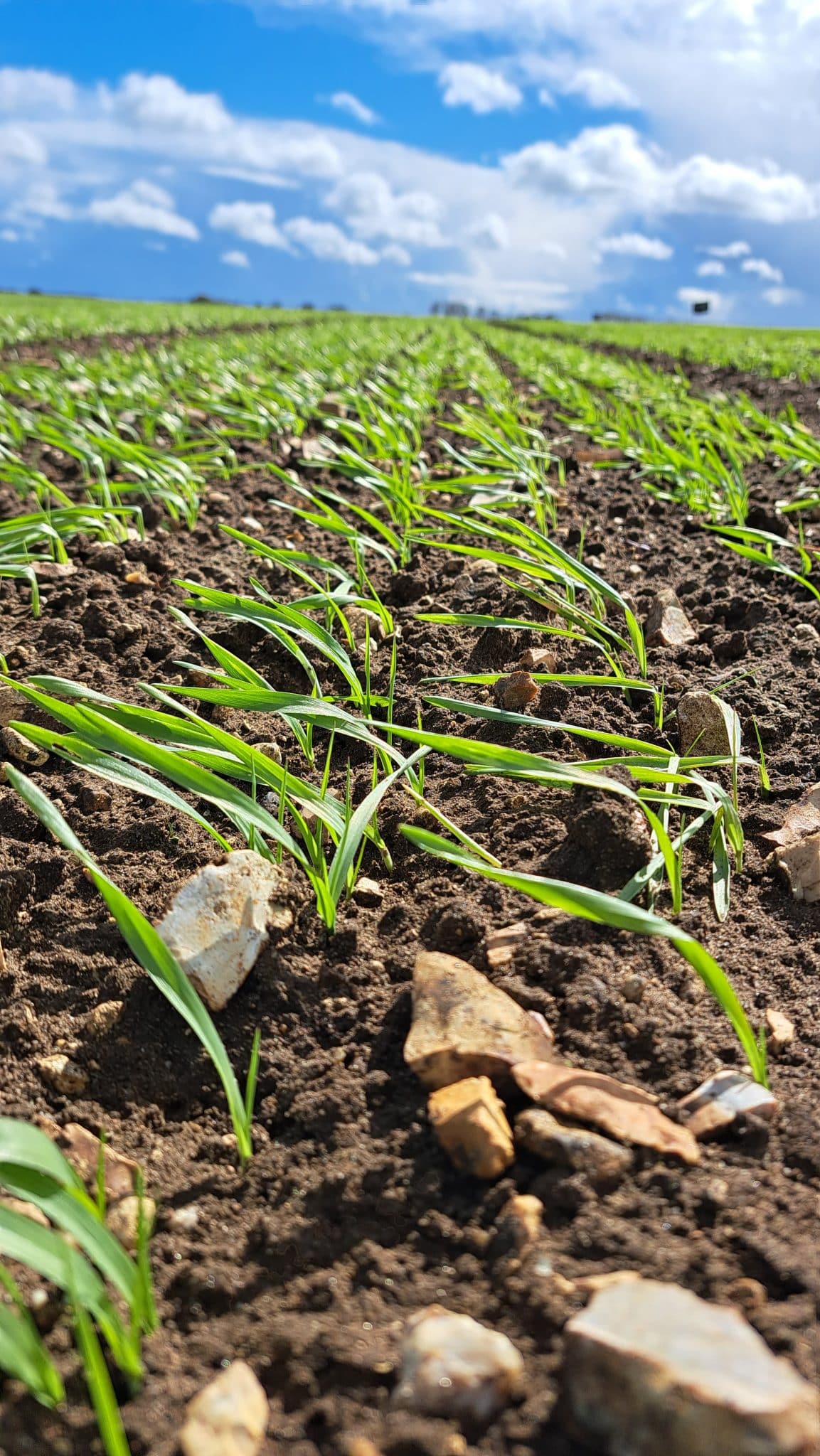
While the weather continues to make the chance of any spring drilling a distant prospect for many, it is worth giving thought now to your cropping options if not already done so.
Spring barley is a key crop to consider offering a wide drilling window and the potential of several different market options for the grain.
The two major malting barley markets are that of brewing and malt distilling, making up over 80% of the purchases by UK maltsters. There is also a small but important market for grain distilling varieties on high grain nitrogen contracts, and of course the feed market, which historically makes up around 20% of the spring barley area.
Variety Choice
Different varieties are suitable for different end uses; the majority of spring barleys that are grown for malting in the UK, are listed on the MAGB Malting Barley Committee Approved List shown below. Those with approval for both brewing and malt distilling, or dual-purpose varieties, offer the potential for growers to access different markets with the same variety.

It is essential to ensure you have a contract in place, or have secured an outlet for your grain before growing a malting crop. Different maltsters will have preferred varieties and contracts, so it is important to check locally to ensure variety selection is suitable for your local maltster.
- LAUREATE is the No.1 variety grown across the UK and has full MBC approval for both brewing and malt distilling. Widely accepted by maltsters across England and Scotland, LAUREATE is renowned for its consistent performance both on-farm and with end-users making it the malting variety of choice. LAUREATE is now grown and traded across many European countries offering further export market for UK growers.
- RGT PLANET is the most widely accepted brewing variety in the world. Offering stiff straw and excellent grain quality it continues to be a favourite with many growers whether grown for brewing or for feed.
- Having joined the AHDB Recommended List in 2022, SY TENNYSON became only the third variety on the MBC list to have Full Approval for both brewing and malt distilling offering both growers and end-users choice in the important dual-purpose sector. SY TENNYSON sets the bar for malting quality on the AHDB Recommended List with the highest Hot Water Extract and Predicted Spirit Yield figures of any MBC approved variety.
- Having been first added to the 2025 AHDB Recommended List, SY ARROW has shown exciting potential for the dual-purpose market and is now in the final stages of the MBC pilot testing process. SY ARROW has already demonstrated many of the same consistency benefits that has made LAUREATE the No.1 choice for growers across the UK. With an excellent disease profile, earlier maturity than LAUREATE and outstanding malting quality, SY ARROW is stacking up to a great all-round variety.
- FAIRING is the only spring grain distilling variety with MBC Special Use Approval for grain distilling. Specifically bred for Scotland, FAIRING has the earliest maturity and highest Rhynchosporium resistance of any variety on the current AHDB Recommended List. High N contracts are available for FAIRING in different regions of Scotland, but also some regions in England. Check locally for contracts.
Seed rates and establishment
Achieving good plant populations is particularly important for spring barley, due to the crop having a shorter growing period, which restricts its ability to compensate from sub-optimal establishment, compared to winter crops.
Successful spring barley establishment is often determined by suitable seedbed moisture and good seed to soil contact at drilling. Where seed coverage and moisture at drilling are sub-optimal, plant counts, establishment and final yield can be negatively impacted.
Getting the seed rate right will optimise plant establishment and yield.
The following table provides guidance on the seed rates for RAGT spring barley varieties. The final seed rates used should take into consideration seedbed quality, soil type and weather conditions. A final shoot number of 775m2 is optimal for spring barley (AHDB Barley Growth Guide).

While individual varieties are suitable for different end markets, agronomy, and in particular nitrogen applications, are of key importance when targeting malting contract specifications.
Watch this space for further agronomy advice in RAGT publications!